 Turnstone Pass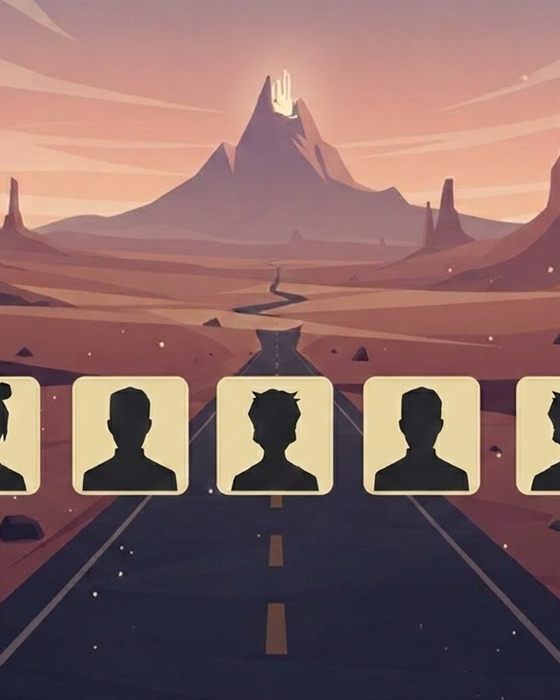
Teide: Silent Gambit
In the shadow of Tenerife's volcano, a game played in silence. Someone planned this. You just have to prove it.
— T.
In the shadow of Tenerife's volcano, a game played in silence. Someone planned this. You just have to prove it.
— T.
An Indian Ocean beach, and a night the tide tried to bury. No witness can speak, but the water can.
— T.
A last meal along Kyoto's Kiyamachi canal. Everyone at the table has an alibi. One of them is lying.
— T.
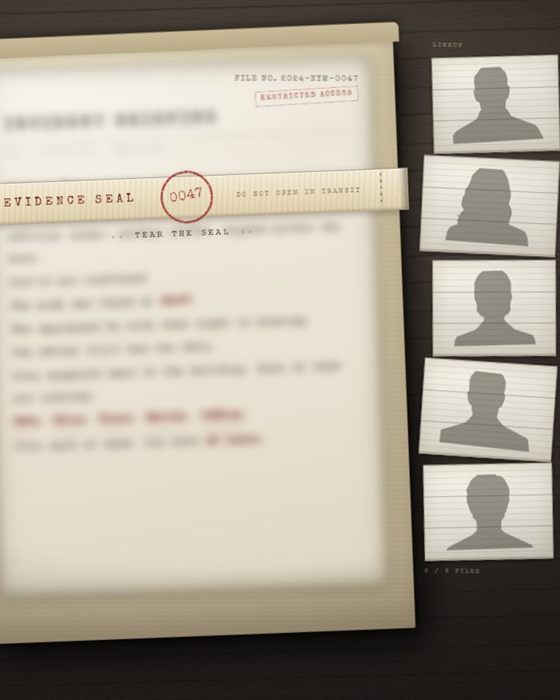
A tech CEO is dead in his own tower. Five people went up that night, and every one of them tells it differently.
— T.
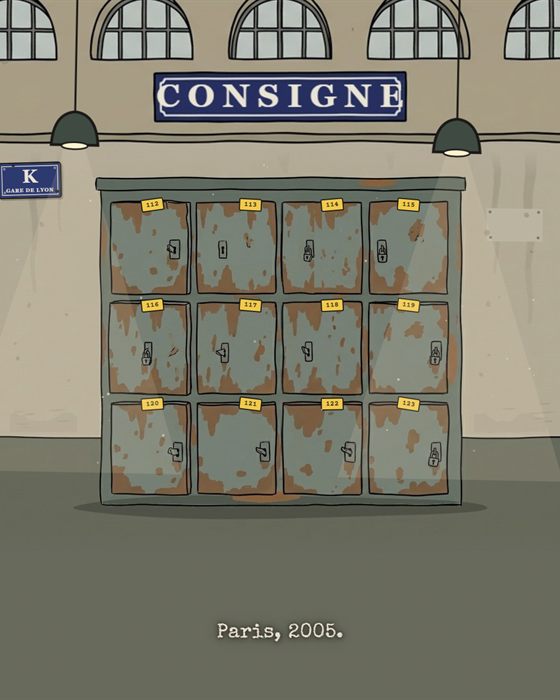
No body, so no murder. Just gold that's gone, and nobody took it.
— T.
Where it began
A turnstone in Tenerife, flipping stones to see what was underneath.
Every case since is a postcard from somewhere real.
— T.